One of the most common misconceptions about yoga is that you need to be flexible before attending your first class. In reality, flexibility is something you can develop through regular yoga practice, not a requirement for getting started.
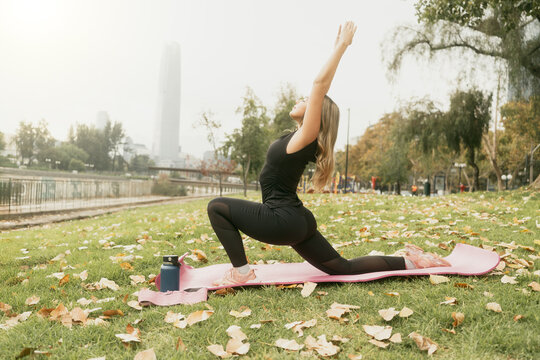
Whether you struggle to touch your toes, spend most of your day sitting, or have never tried yoga before, beginner-friendly yoga can help you improve mobility, build strength, and become more comfortable with movement. With the right instruction and modifications, yoga can be adapted to different experience levels and physical abilities.
Do You Have to Be Flexible to Do Yoga?
No, you do not need to be flexible to practice yoga. While some yoga poses involve stretching and a wide range of motion, many foundational movements can be adjusted to accommodate different levels of flexibility.
Yoga combines physical postures, breathing techniques, and mindful movement. Flexibility is only one component of the practice, alongside balance, stability, strength, and body awareness.
Beginners can start with simple movements and gradually explore more challenging poses as their mobility and confidence improve. The goal is not to achieve a specific appearance but to practice movements that support your individual needs.
How Yoga Can Help Improve Flexibility and Mobility
Practicing yoga regularly can help improve flexibility by gently moving muscles and joints through comfortable ranges of motion. Over time, consistent stretching and movement may help reduce feelings of stiffness and increase your ability to perform everyday activities.
Yoga also supports mobility, which refers to your ability to move a joint through its available range of motion with control. Unlike flexibility alone, mobility involves strength, stability, and coordination.
For example, poses that stretch the hips and hamstrings can help improve flexibility, while standing and balancing poses challenge the muscles responsible for controlled movement.
Progress varies depending on your starting point, consistency, and individual physical needs. Practicing at a comfortable pace is more beneficial than forcing your body into positions it is not ready for.
Beginner Yoga Poses That Don’t Require Flexibility
You don’t need to perform advanced stretches to experience the benefits of yoga. Several foundational poses can be modified to accommodate limited flexibility.
Mountain Pose (Tadasana)
Mountain Pose is a standing posture that encourages proper alignment, stability, and body awareness. By standing upright with your feet grounded and your shoulders relaxed, you can practice maintaining posture and engaging the muscles that support balance.
Cat-Cow Pose (Marjaryasana-Bitilasana)
Cat-Cow involves gently alternating between rounding and extending the spine. This movement encourages spinal mobility and can help relieve feelings of stiffness after prolonged sitting. It can also be practiced while seated in a chair.
Child’s Pose (Balasana)
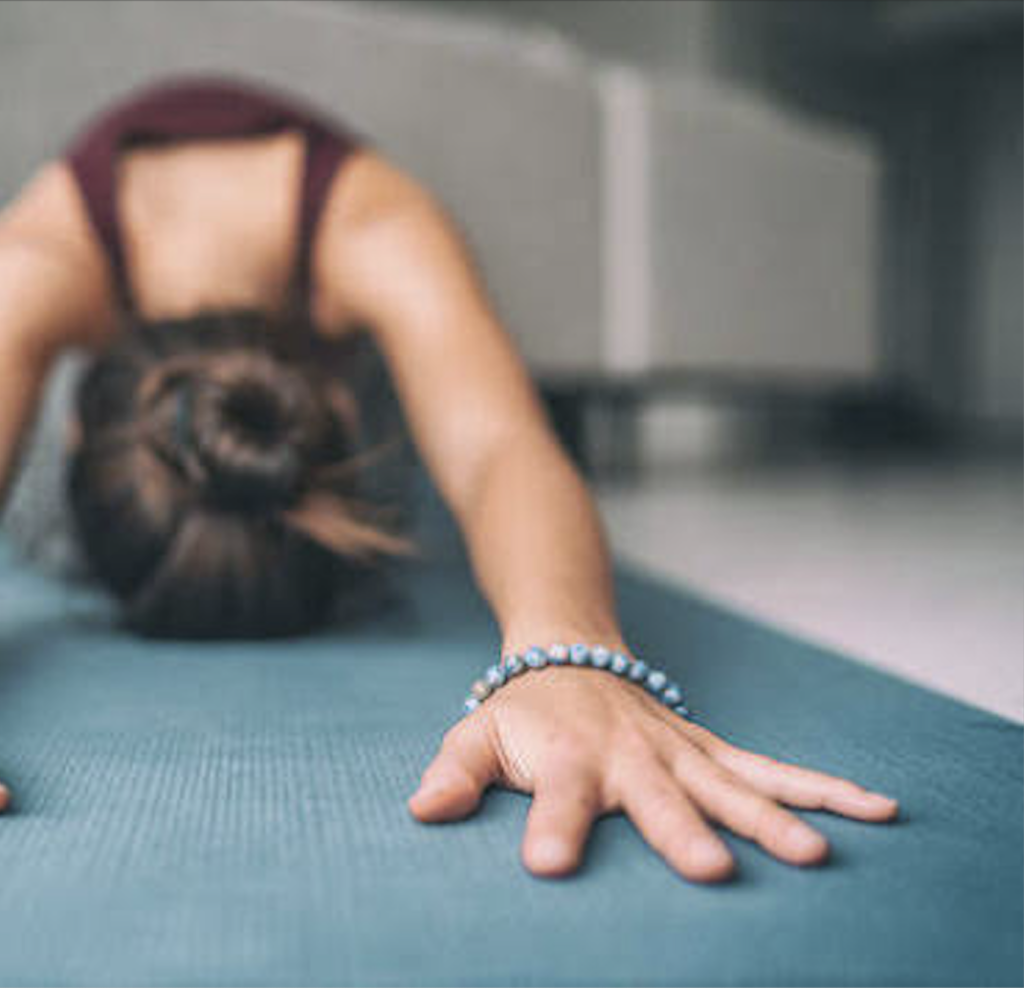
Child’s Pose is a resting posture that gently stretches the back and hips. Beginners can place a cushion beneath their torso or modify the position to reduce discomfort in the knees and hips.
Cobra Pose (Bhujangasana)
Cobra Pose is a gentle backbend that engages the back muscles and opens the front of the body. Beginners can keep their elbows bent and lift their chest only as far as feels comfortable, without forcing the lower back.
Each pose can be adjusted based on your flexibility, strength, and experience. Using yoga blocks, cushions, or other props can make certain movements more accessible.
How to Start Yoga When You’re Not Flexible
If you’re new to yoga, begin with simple poses that allow you to explore your range of motion without excessive strain. Move slowly, maintain steady breathing, and avoid pushing into painful positions.
Practicing consistently is generally more useful than attempting difficult poses during occasional sessions. Even short, manageable practices can help you become more familiar with yoga movements and develop confidence over time.
It is also important to understand that every person’s body moves differently. Factors such as joint structure, activity level, and previous experience can influence your flexibility. Modifying a pose does not make it less valuable.
Working with a yoga teacher can help you understand proper alignment, choose appropriate modifications, and develop a practice that supports your goals.
Why Personalized Online Yoga Is Great for Beginners
Starting yoga in a group setting can sometimes feel intimidating, especially when you’re unfamiliar with common poses or unsure how to modify certain movements.
Personalized online yoga instruction provides an opportunity to learn at your own pace and focus on the areas where you want to improve.
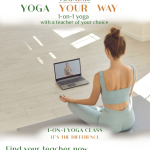
At Yoga2Me, our 1-on-1 online yoga sessions allow you to work directly with a teacher of your choice. Whether your goal is to improve flexibility, develop strength, increase mobility, or establish a consistent wellness routine, your sessions can be tailored to your experience and individual needs.
Practicing from home also makes it easier to incorporate yoga into your schedule without traveling to a studio. Your teacher can provide guidance, recommend modifications, and help you develop a practice that feels comfortable and achievable.
Start Your Yoga Journey With Yoga2Me
You don’t need advanced flexibility, expensive equipment, or previous experience to begin practicing yoga. With appropriate guidance and consistent practice, you can gradually develop the strength, mobility, and confidence to explore new movements.
Yoga2Me makes it easier to get started with personalized 1-on-1 online yoga sessions designed around your individual goals.
Ready to try yoga for yourself?
Find a teacher who fits your needs and experience personalized yoga from the comfort of home.